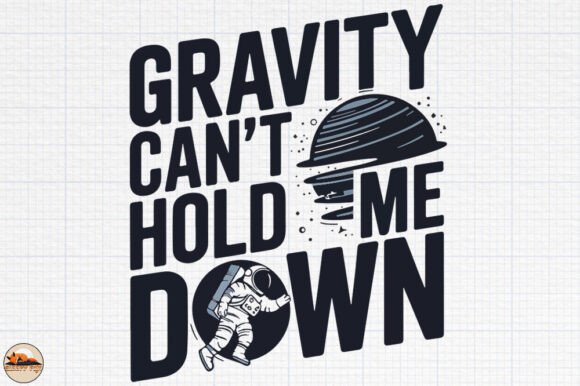
Gravity Can't Hold Me Down Sublimation
As a designer and embroidery product reviewer, I’ve seen my fair share of digital files that promise the world but deliver little in real-world use. The Gravity Can't Hold Me Down Sublimation design is one that caught my attention not just for its bold message, but for how it translates into actual embroidery work. Let’s break down what this design offers—and where it might fall short.
The First Impression
From the moment I opened the Gravity Can't Hold Me Down Sublimation files, I was struck by its clean, modern aesthetic. The design has a strong visual presence, with a central image that feels both empowering and versatile. It’s the kind of design that could easily become a statement piece on a custom t-shirt or a standout feature on a tote bag. The layout is balanced, and the details are crisp enough to work well on a variety of surfaces.
The theme is uplifting, making it ideal for projects that aim to inspire or celebrate resilience. Whether it’s for a personal project or a commercial product, the design has a universal appeal that can resonate with a wide audience.
Real-World Embroidery Use Cases
I tested Gravity Can't Hold Me Down Sublimation on several fabrics to see how it would hold up in different situations. On a standard cotton t-shirt, the design looked sharp, with clear lines and good definition. It worked well as a satin stitch and fill stitch design, which is perfect for larger areas. For a custom apparel project, this could be a great choice for a sweatshirt or hoodie, especially when paired with a contrasting thread color.
On a tote bag, the design had a nice, bold look that didn’t get lost in the fabric texture. It’s also a solid option for an embroidered patch, where the detail level is high enough to maintain clarity even at smaller sizes. However, I noticed that on thinner or more stretchy fabrics, the design could lose some of its sharpness if not properly stabilized.
This design is also well-suited for personalized gifts, like baby onesies or holiday decorations. The message is positive and meaningful, making it a thoughtful addition to a handmade product or a gift for a friend or family member.
Where to Be Cautious
While Gravity Can't Hold Me Down Sublimation is a strong design, there are certain scenarios where it may not perform as well. For example, on small hoop sizes, the detail might get clipped or distorted. If you’re working on a baby embroidery project or a cap, you’ll need to make sure the design fits within your machine’s capabilities.
On dark fabrics, the design may not show up as clearly unless you use a lighter thread color or add a stabilizer. This is especially important if you're creating a handmade product that will be sold online or at a craft fair. Customers expect consistent quality, and a poorly executed design can turn them off.
For commercial embroidery or digital embroidery file sales, it’s crucial to test the design thoroughly. Make sure it works across different thread colors and fabric types before offering it for sale. Also, check whether the design is suitable for applique design or running stitch applications, depending on your intended use.
Design Impact and Value
When it comes to visual appeal, Gravity Can't Hold Me Down Sublimation holds its own. It adds a professional touch to any project, whether it's a small shop product or a printable mockup for an Etsy listing. The design’s clarity helps build customer trust, especially when used on personalized gifts or holiday embroidery items.
From a brand consistency standpoint, this design could be a valuable asset for a craft business or a creative entrepreneur looking to expand their product line. It’s versatile enough to fit into a range of products, from apparel decorators to digital product sellers.
One thing to consider is the stitch density. If the design is too dense, it could cause issues on thin or stretchy fabrics. Always do a quick test on scrap material before committing to a full project.
Practical Designer Notes
Before using Gravity Can't Hold Me Down Sublimation in a real project, I recommend testing it on different fabrics to see how it behaves. Check the stabilizer requirements, especially for delicate or stretchy materials. Also, review the thread color contrast to ensure the design stands out on the chosen fabric.
If you’re planning to sell finished items or digital products, confirm the licensing terms. While the files provided are suitable for many uses, it’s always better to double-check before moving forward.
Lastly, don’t forget to create black and white mockups to see how the design looks without color. This can help you decide on the best thread colors and fabric combinations for your specific project.