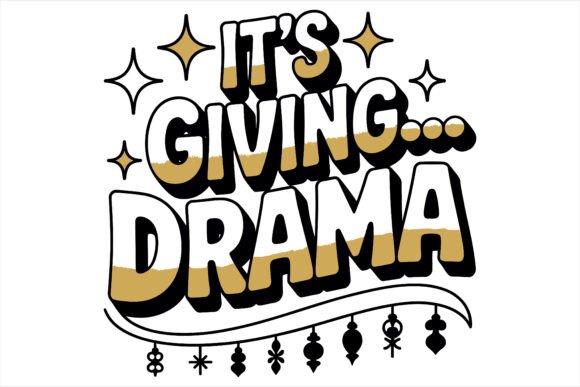
It's Giving Drama
As a designer who’s spent years working with machine embroidery designs, I’ve seen my fair share of trends come and go. But "It's Giving Drama" feels like something that could actually stick around. It’s bold, it’s loud, and it’s got personality. But does it hold up in real-world embroidery projects? Let’s break it down.
The First Impression: A Design That Demands Attention
From the moment you lay eyes on "It's Giving Drama," it’s clear this isn’t a subtle design. The typography is sharp, the layout is dynamic, and the overall vibe is unapologetically attention-grabbing. It’s the kind of design that makes you want to shout it out loud or wear it on a T-shirt just to see people react. The visual personality is modern, edgy, and slightly humorous—perfect for those who want to make a statement without saying a word.
This design seems to thrive in environments where visual impact matters most. Think custom apparel, embroidered patches, or even tote bags that double as conversation starters. The shape and theme are versatile enough to work across multiple fabric types, but there are some caveats to consider before jumping into an embroidery project.
Real-World Embroidery Performance
When I first tested "It's Giving Drama" on a sample sweatshirt, the results were promising. The stitch density was balanced, and the design didn’t look overly complicated or messy. However, I noticed that the smaller text elements—like the phrase “it’s giving drama”—required careful placement to avoid getting lost in the overall composition.
For small business owners and Etsy sellers, this design has potential as a digital product or printable mockup. It could easily be used in a craft business to create custom apparel, baby items, or holiday gifts. But if you’re planning to use it on a cap or a patch, you’ll need to check the hoop size carefully. Some areas of the design might not fit well in a small hoop, which could lead to stitching issues or incomplete details.
On textured fabrics or stretchy materials, the design can sometimes look a bit off. The satin stitch and fill stitch work well, but if the fabric shifts during embroidery, the final result may not be as crisp as expected. For best results, use a stabilizer that complements the fabric type, especially when working with thin or delicate materials.
Where to Use It (and Where to Be Careful)
"It's Giving Drama" works best on flat, smooth surfaces like t-shirts, tote bags, and sweatshirts. It also has a lot of visual weight, so it’s not ideal for small hoop sizes or intricate details. If you're planning to use it on a baby onesie or a pillow cover, make sure the design doesn’t have any tiny elements that could get lost or distorted during stitching.
One thing to note is that the design might not translate well to dark fabrics. The thread colors could blend in or lose contrast, making the design less visible. It’s always a good idea to test it on different fabric backgrounds before committing to a full project.
For commercial embroidery projects, this design could be a hit if used correctly. But if you're selling finished products, check the licensing terms to make sure you’re allowed to use it in your shop. Also, keep in mind that the design might not be suitable for layered garments or curved surfaces like caps, where the stitching could look uneven or stretched.
How It Affects Your Finished Product
When it comes to visual appeal, "It's Giving Drama" is a strong contender. Its boldness makes it stand out, which is great for handmade products that need to catch the eye. But the design’s strength can also be its weakness—if not executed properly, it might come off as too busy or overwhelming.
Stitching clarity is another factor to consider. The design uses a mix of running stitch and satin stitch, which gives it a clean, professional look. However, if the stitch density is too high in certain areas, it could cause the fabric to pucker or the threads to tangle. Always test the design on scrap fabric before using it on a client’s garment or a custom order.
From a customer perspective, this design could be a big hit. It’s fun, it’s memorable, and it’s perfect for those who want to express their personality through clothing or accessories. But if you’re creating personalized gifts or boutique products, make sure the design aligns with the recipient’s style and preferences.
Practical Designer Notes
Before using "It's Giving Drama" in any project, here are a few key steps I recommend:
- Test the design on scrap fabric to see how it looks and stitches.
- Check thread color contrast, especially on dark or light backgrounds.
- Review the stitch density and adjust if needed for better performance.
- Confirm the hoop size required for the design to ensure it fits your machine.
- Inspect small details like lettering and corners for accuracy.
- Try it in black and white mockups to see how it translates without color.
- Use the right stabilizer for the fabric type to prevent puckering or distortion.
- Verify whether the design is suitable for both personal and commercial use.
- Always check licensing terms before selling finished items or digital products.
As an embroidery designer, I appreciate a design that has character and purpose. "It's Giving Drama" definitely has both, but it requires thoughtful application to truly shine. Whether you're creating custom apparel, personalized gifts, or small shop merchandise, this design could be a valuable addition to your collection—if you take the time to understand its strengths and limitations.