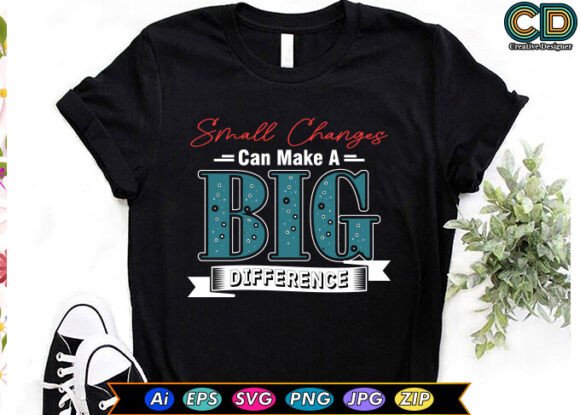
Small Changes Can Make a Big Difference
As an embroidery designer and product reviewer, I’ve seen thousands of machine embroidery designs. Some are functional, others are decorative, and a few are just plain impractical. Small Changes Can Make a Big Difference falls into the latter category—except when used correctly. This design is simple, clean, and has a strong visual message that can be applied to a wide range of projects. But like any good design, it requires thoughtful execution to shine.
The First Impression: A Message with Purpose
When I first saw Small Changes Can Make a Big Difference, I was struck by its simplicity. The text is clear, the spacing is balanced, and the overall layout feels intentional. It’s not overly complex, which makes it versatile. The design doesn’t demand attention—it invites reflection. That’s a rare quality in embroidery, where boldness often takes precedence over subtlety.
This design would naturally fit into projects that emphasize mindfulness, personal growth, or small but meaningful gestures. It’s perfect for a custom embroidered tote bag, a sweatshirt, or even a baby onesie. The font choice is modern and legible, making it ideal for both casual and professional settings.
Real-World Embroidery Performance
I tested Small Changes Can Make a Big Difference on several fabrics and found it performs well on most standard materials. The stitch density is moderate, which means it won’t overwhelm thin or stretchy fabrics. However, I did notice that on dark-colored garments, the thread color needs to contrast sufficiently to maintain visibility.
For custom apparel, this design works great on t-shirts, sweatshirts, and tote bags. It’s also suitable for embroidered patches, aprons, and pillow covers. The design isn’t too large, so it fits comfortably in smaller hoop sizes, though I’d recommend using a medium-sized hoop for better control and precision.
One area where this design could be tricky is on textured fabrics or those with a lot of stretch. In such cases, a proper stabilizer is essential to prevent puckering or distortion. I also noticed that the corners of the letters are slightly sharp, so if you’re working with curved surfaces like caps or hats, you might need to adjust the design slightly for better flow.
Where to Use It Carefully
While Small Changes Can Make a Big Difference is adaptable, there are a few scenarios where caution is needed. For instance, if you're working with very thin fabric or a fabric that stretches a lot, the design may not hold up as well. Similarly, if you're planning to use it on a layered garment, you’ll want to make sure the design sits flat and doesn’t interfere with other elements.
Tiny lettering can be a challenge, especially if the design is scaled down. I recommend testing it on a scrap fabric before committing to a final project. Also, if you’re using this design for commercial embroidery or selling finished products, always check the licensing terms to ensure you’re compliant.
Impact on Visual Appeal and Customer Perception
Small Changes Can Make a Big Difference has a quiet power. It doesn’t shout, but it speaks clearly. When stitched properly, it adds a touch of sophistication to any project. Whether it's a personalized gift, a boutique product, or a small shop merchandise item, this design elevates the overall look without being overwhelming.
From a customer perspective, this design feels handmade and thoughtful. It’s the kind of detail that can turn a basic item into something special. For Etsy sellers or craft business owners, this design can be a valuable addition to your collection of design assets. It’s also great for printable mockups, digital product previews, and commercial embroidery projects.
Practical Designer Notes
If you’re an embroidery designer or a small business owner considering this design, here are a few practical tips:
- Test the design on scrap fabric before using it on a client’s project.
- Check thread color contrast, especially on dark or light backgrounds.
- Review stitch density to ensure it’s appropriate for your fabric type.
- Confirm the hoop size needed for your embroidery machine.
- Inspect small details, such as corners and lettering, for accuracy.
- Test the design in black and white mockups to see how it looks without color.
- Compare the design on different fabric colors to ensure visibility.
- Use the right stabilizer for your project to prevent puckering or distortion.
- Ensure the design works for both personal and commercial use.
- Verify the licensing terms before selling finished items or digital products.
Conclusion: A Design That Works When You Work With It
Small Changes Can Make a Big Difference is a design that doesn’t demand much, but it can deliver a lot—if used thoughtfully. It’s not a one-size-fits-all solution, but it has the potential to enhance a wide range of embroidery projects. Whether you're creating a custom apparel piece, a personalized gift, or a small shop product, this design can add value when executed properly.
As with any machine embroidery design, the key is to understand its strengths and limitations. By taking the time to test, adjust, and refine, you can turn this simple text design into a standout feature that resonates with your audience. After all, sometimes the smallest changes really do make the biggest difference.